Landslide Risk After Heavy Rain in Washington: Warning Signs Customers Shouldn’t Ignore
After Heavy Rain: Landslide & Mudslide Warning Signs for Washington Properties
When rain persists, soil becomes heavier and less stable—especially on slopes and near saturated drainage paths. Washington agencies track and document landslide activity after major rain events, and recent field work highlights ongoing attention in multiple counties.
Knowing what to watch for can help customers act early.
1) Outdoor warning signs around your property
New cracks in soil, driveways, patios, or retaining wall areas
Leaning fences, trees, or posts that weren’t leaning before
Sudden pooling water where it doesn’t usually collect
Unusual runoff patterns, especially down slopes

2) Indoor warning signs that matter
Doors/windows sticking suddenly
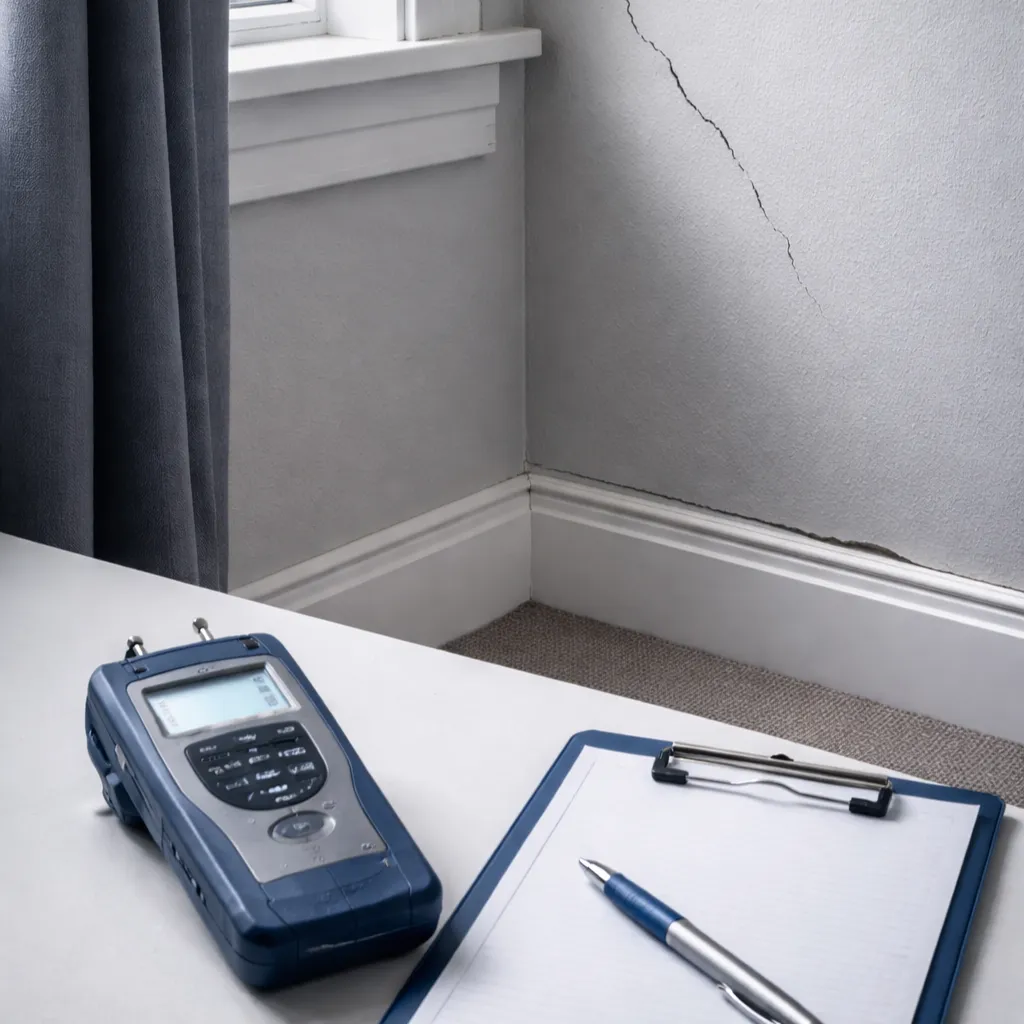
New drywall cracks near corners or ceilings
Sloping floors or a “shifted” feel in certain rooms
New moisture intrusion at lower walls or crawlspace entries
3) What to do immediately if you suspect movement
Keep people out of the affected area (inside and outside)
If safe, document changes with photos
Avoid running water near the slope (sprinklers, hoses)
Contact local authorities if movement is active or rapid
4) Where mitigation helps most
Even without a full slide, heavy rain can cause:
water intrusion through foundation walls
saturated insulation and framing
elevated moisture that leads to secondary damage
Landall can assess moisture pathways, stabilize drying needs, and help guide next steps for repair planning moisture you can’t see.
Call to Action
If you’ve noticed new cracks, shifting, or water intrusion after storms, contact Landall to schedule an assessment. We’ll help you understand what’s happening and recommend the safest path forward.
For additional information
Please visit our Facebook page at Landall Enterprises or follow us on Instagram @landall_enterprises