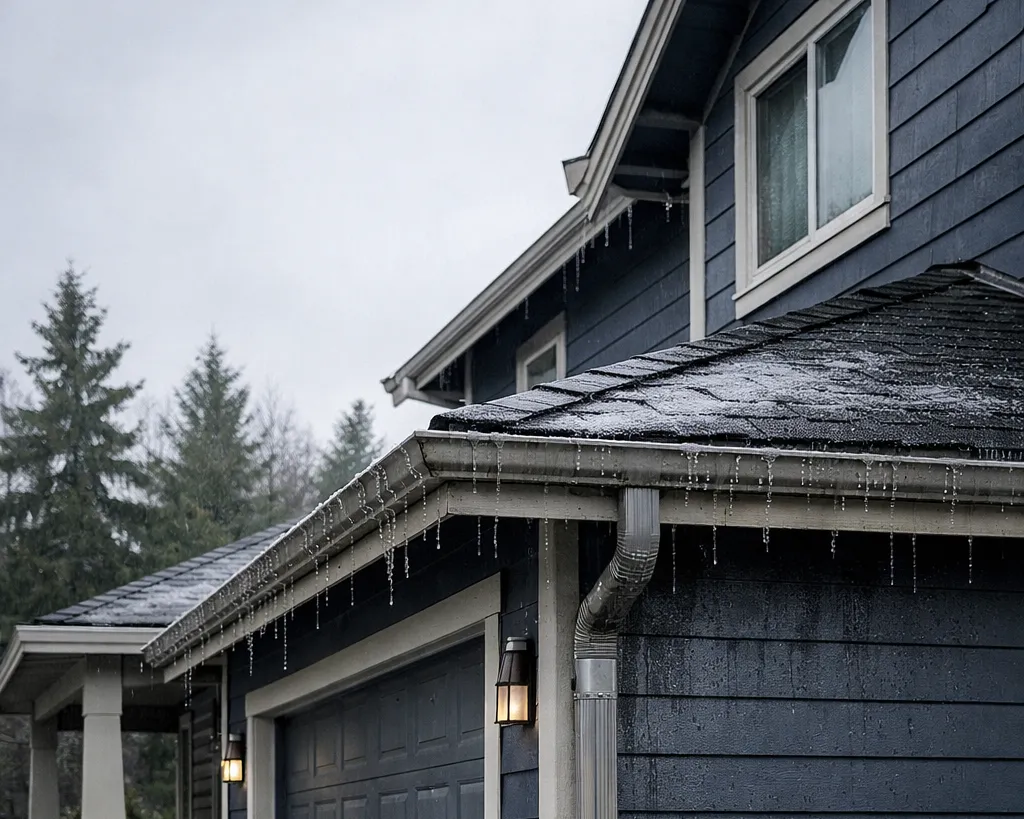
Winter Thaw Damage in Washington: Hidden Water Issues to Check
Winter Thaw Damage in Washington: Hidden Water Issues to Check Before They Become Mold
Washington winters don’t always hit as heavy snow, but the freeze-and-thaw cycle can still cause serious property damage. As temperatures swing, materials expand and contract, and small weak points can turn into hidden leaks—often behind drywall, above ceilings, or under flooring. The sooner you catch it, the easier it is to prevent mold and expensive repairs.
Why Winter Thaw Is Tough on Buildings
When ice melts and refreezes, it can push water into gaps around roofs, siding, and foundations. Even a slow drip can soak insulation, framing, and subfloors long before you notice a stain.
The most common issue isn’t “a big flood.” It’s quiet moisture that sits long enough to create odor, staining, and mold growth.

Hidden Trouble Spots to Check First
1) Attics and rooflines
Look for damp insulation, dark staining on wood, or a musty smell. Ice buildup and thawing can drive water back under shingles and flashing.
2) Crawl spaces and basements
Check for damp soil, standing water, or condensation on pipes and ducts. Even minor seepage can raise humidity and trigger mold.
3) Windows, doors, and exterior walls
Peeling paint, bubbling drywall, or soft trim can point to moisture intrusion around seals and framing.
4) Bathrooms, laundry areas, and kitchens
Small leaks from supply lines and drains often get worse during cold snaps and can soak cabinets and subflooring.
Early Warning Signs You Shouldn’t Ignore
Musty odor that wasn’t there before
New stains on ceilings, walls, or baseboards
Warped flooring or loose tile
Peeling paint, bubbling drywall, or soft spots
Condensation that “won’t go away” on windows or surfaces
What to Do If You Suspect Water Intrusion
If you suspect moisture is present, avoid just “drying the surface.” Water can spread into materials that look normal from the outside.
A professional evaluation can help confirm:
Where moisture is traveling (not just where it shows)
What materials are affected
What drying and dehumidification is needed to prevent mold
Call to Action
If you’re noticing signs of hidden moisture after a freeze/thaw swing, contact Landall to schedule a property assessment. We’ll help identify the source, stop the spread, and dry the structure properly before mold becomes a bigger issue.
For additional information
Please visit our Facebook page at Landall Enterprises or follow us on Instagram @landall_enterprises